Unleashing power, one pull at a time

Category: Main (page 1 of 1)

From Field to Track: How to Modify Farm Tractor for Pulling

So you’re looking to give your everyday workhorse a little extra grunt for a weekend competition. Can you pull it off, literally?

The answer is, you certainly can. And it doesn’t have to cost a fortune either if you’re determined enough.

But that doesn’t mean it isn’t a headache. First, you need to decide whether it makes sense to do it at all.

Modify or Not? Factors to Consider
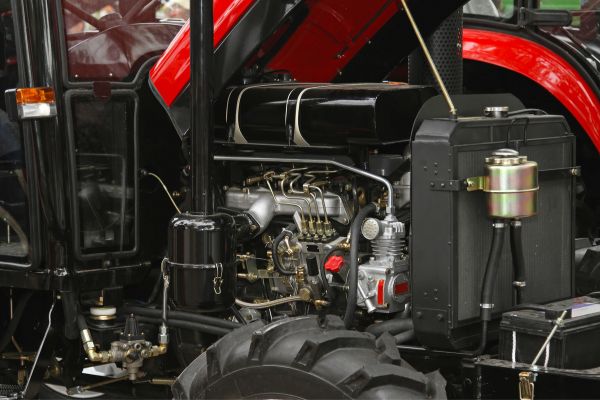
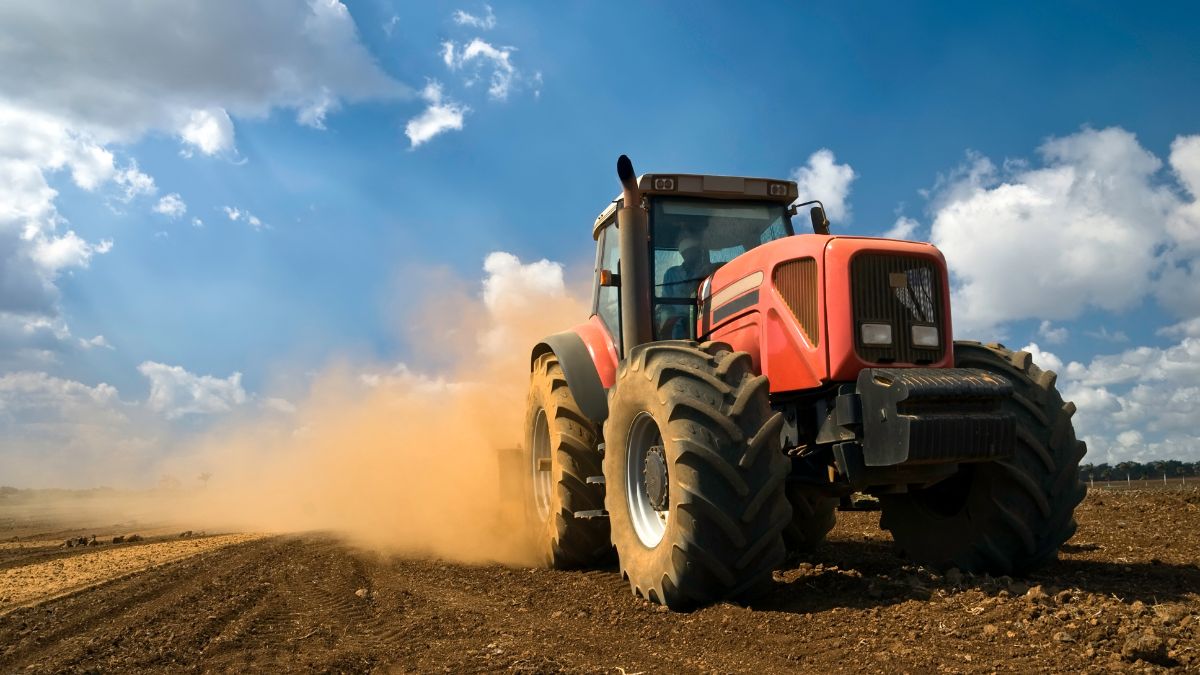
Diesel engine of a new red tractor

Keep in mind that the process won’t be easily reversible. Once you upgrade your engine or adjust the hitch, your machine may not be suitable for everyday farming tasks it used to do.

Other issues could be looming too. A tractor that’s too old or worn out may just not be able to resist mechanical failure if pushed beyond its limit. Or, if it’s new, the modifications could easily void your warranty.

All in all, if you’re bent on upping your machine so it can pull, make sure you have a backup plan so you don’t get behind on your farm work.

In case you do have some money on the side for entertainment, you can get a completely different tractor to begin with.

Step-By-Step Guide to Modifying Your Tractor for Pulling

1. Not Great, Not Terrible. Just Good Enough

You don’t need a fancy, high-powered rig to start. Plenty of pullers start off with a good old agricultural tractor and make a few basic tweaks to get it competition-ready. The key is starting with a tractor that’s in solid working condition.

While a few tweaks won’t really make a beast out of an ordinary tractor, rest assured you won’t be the only one! Tracks are full of crazy creative works you’d never expect to lay your eyes on, let alone watch them pull the way they do.

You’re going to be putting more strain on your machine than it’s used to on the farm, so you’ll want a sturdy frame, a reliable engine, and tires that aren’t on their last legs. A good starting point might be something like an older John Deere, Allis-Chalmers or even a vintage Cockshutt 30 such as this one or an International Harvester—tractors that are built tough and easy to work on.

So yes, if you have a little tractor rusting away in a barn, go ahead and dust it off. As long as it’s healthy on the inside, it might just do the job.

2. Get the Tires Right

In tractor pulling, traction is king.

So the first thing you’ll want to think about is swapping out your farming tires for something that can really dig in on the track. Your stock tires are great for plowing fields. But for pulling, you’re going to need tires that provide better grip on dirt or clay tracks.

That means you’re looking at $1,500 or up as a bare minimum for tires alone.

Opt for tires with deep, aggressive treads that are designed for high-torque applications. You’ll also need to experiment with tire pressure. Less pressure means more surface area touching the ground, which can give you that extra grip you need when the sled’s weight kicks in.

There’s one thing you shouldn’t do as a rookie: cut the tire tread on your own. As badass as it looks, it’s a serious job for seasoned pullers who know their tracks inside out.

3. Balance the Weight

Now, this is where the magic happens. To get the most out of your tractor during a pull, you’ll need to think about weight distribution. Too much weight on the front, and you’re losing traction on the rear tires where it counts. Too little, and you’ll be popping wheelies halfway down the track.

Start by adding some weights to the back of the tractor to get that rear end digging into the dirt. You might also need to shift some weight up front to keep the nose down. It’s all about balance—getting that tractor to pull straight and true without lifting off the ground.

4. Upgrade the Engine (But Keep It Legal)

If you want to turn heads on the track, you’ll probably want to give that engine a bit more oomph. Now, you don’t need to go all out and slap a turbo on your farm tractor (unless you’re moving into higher classes), but there are a few tweaks you can make to boost your horsepower.

You could consider tweaking the fuel injection system to boost performance or maybe switch out your exhaust to get better airflow. Just be aware that most beginner classes have pretty tight rules when it comes to engine modifications, so don’t go overboard. The goal is to squeeze out a bit more power while staying within the regulations.

5. Modify the Hitch

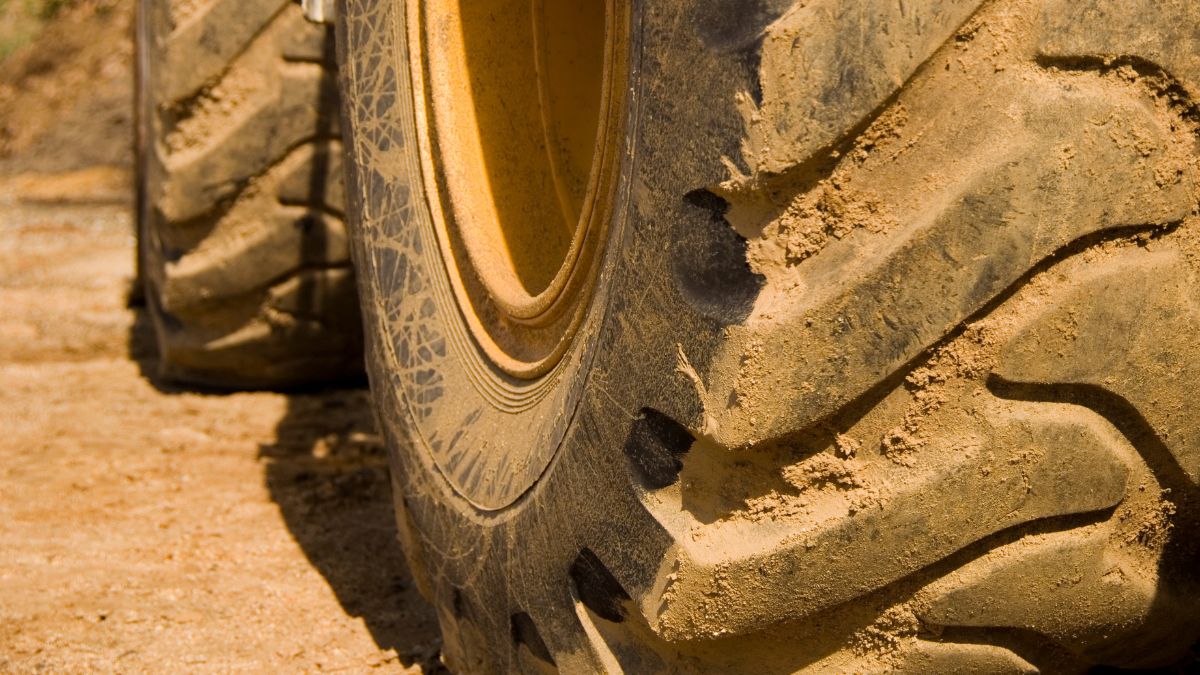
Hitch and wheel on a modern yellow tractor

In tractor pulling, the hitch is your tractor’s connection to the sled, and the height of that hitch makes a world of difference. A higher hitch can give you better leverage, but go too high and you’ll lose control. Most competitions have regulations on how high your hitch can be, so make sure you’re within the limits.

Adjust your hitch to the maximum allowable height, which is usually around 20 inches, to get the best leverage possible. The right hitch setup can make or break your pull.

6. Don’t Forget the Safety Gear

Safety’s a big deal! You’re dealing with powerful machinery, and things can go sideways if you’re not careful. Make sure your tractor’s fitted with a roll cage and fire extinguisher, especially if you’ve done any engine modifications.

Safety gear isn’t just about following the rules. It’s about making sure you can walk away fast enough if something goes wrong.

Bottom Line

In pulling, there’s one thing more important than the machine: your confidence in it.

That’s exactly why it’s best to start real small and build from there. As you get a feel for the sport, you can gradually add more advanced modifications.

How to Get Started in Tractor Pulling: A Beginner’s Guide

(Featured image credits: Acroterion, CC BY-SA 4.0 https://creativecommons.org/licenses/by-sa/4.0, via Wikimedia Commons)

Tractor pulling might seem like a straightforward sport—just hook up a sled to the machine you already have and hit the throttle, right?

Well, not quite. If you’re new to tractor pulling, there are a couple things you’ll need to know before you hit the track.

This guide will help you understand the basics and get started on the right foot, erm, wheel.

1. Know What Tractor Pulling Is (and Isn’t)

Gasturbines Baby Duck tractor pulling
This IS tractor pulling alright.
Rasbak, CC BY-SA 3.0 http://creativecommons.org/licenses/by-sa/3.0/, via Wikimedia Commons

Let’s quickly break down what tractor pulling is all about.

The objective is simple: pull a heavy sled as far as you can down a straight dirt track.

But as always, the devil lies in the details. As it’s being pulled, the sled is getting heavier thanks to a weight box that moves forward, increasing the resistance. Your goal is to pull that sled farther than anyone else.

And that’s easier said than done.

Bad track conditions are a given here. In fact, tracks are made of dirt precisely because they were meant to be difficult. The sled can just decide to dig in or bog down, so your tractor ends up spinning its wheels without so much as moving an inch. Not to mention how quickly the track conditions can change with a single raindrop or even greater air humidity!

Then there are the numerous (and potentially dangerous) weight distribution issues. Make a poor assessment in this area and your tractor will either do a wheelie lifting its front end off the ground, or fail to transfer enough weight to the rear tires. In both cases, you’re gonna have a stock-still machine.

Worse yet, it can roll over like in the video below.

Plus, pushing the engine to its limits is pretty much the definition of this motorsport. That can result in mechanical damage.

    Your preliminary homework also includes the lifeblood of tractor pulling—competitions. Competitors are divided into different classes based on the type of tractor, modifications, and weight. Knowing which class you want to compete in will influence many of your decisions, from the type of tractor you choose to the modifications you’ll need.

    2. Choose the Right Tractor

    Your tractor is your main tool, so choosing the right one is critical. If you’re just starting out, it’s not the wisest call to jump straight into the high-powered classes.

    (Chances are you won’t have enough money for that anyway.)

    Many beginners start with a stock or lightly modified agricultural tractor. These tractors are more affordable and forgiving, giving you a chance to learn the ropes without spending a fortune.

      For example, a common starting point is the farm stock class, where tractors are largely unmodified and must meet certain specifications. This lets you focus on improving your skills without the pressure of intense competition.

      3. It Takes More Than Just a Tractor

      That’s right—you need equipment to level up your vehicle and make it into the dirt-chewing juggernaut you need it to be.

      The keyword here is modifications. And these typically include (but are not limited to) engine upgrades, weight balancing, and of course, tires.

        Tires are crucial—they’re your tractor’s connection to the track. The right tires can make or break your pull, providing the traction you need to maximize your pulling power.

        Start with a good set of agricultural tires if you’re in a stock class, but be prepared to upgrade as you move into more competitive classes. For a deeper dive into tire selection and maintenance, check out our complete guide to pulling tires.

        4. Safety First: Gear Up for the Unexpected

        Safety should always be a priority, especially in a sport that involves high-powered machinery and heavy loads.

        Make sure your tractor is equipped with a roll cage, fire extinguisher, and proper hitching equipment. Regularly inspect your equipment for wear and tear, and never cut corners on safety measures.

          It’s not just about what’s under the hood—consider the environment you’re working in too.

          To make things more complicated, not all of these risks will make themselves obvious before it’s too late. For instance, if you’re prepping your tractor in a garage or workshop, make sure the roof is in good condition. Leaks can cause rust, and a well-maintained roof ensures that your tools and tractor stay dry. As Judd Harris, a roofer from Brisbane, puts it, “Every single building has a roof as the last barrier between the inside and the elements. But the problem is, a roof needs you to look up. It’s all too easy to completely forget about, especially in a barn, until something goes wrong.”

          But that doesn’t mean you need to break the bank by calling an expert in every now and then, Harris is quick to reassure. You only need to literally look up—and down—from time to time. Look for signs of mold and/or leakage. If any of those are there, they can easily make it onto your tractor and start eating into it.

          5. Team Up to Learn from the Community

          Tractor Pulling Tractor
          Triple-green, CC BY-SA 2.0 https://creativecommons.org/licenses/by-sa/2.0, via Wikimedia Commons

          One of the best ways to improve in tractor pulling is to learn from those who have been doing it for years. Attend local events, talk to experienced pullers, and don’t be afraid to ask questions. The tractor pulling community is known for being welcoming and supportive, especially to newcomers.

          In my experience, it’s second only to bikers.

          If you don’t know where to start, there are a number of forums. Admittedly, most of them are (mostly) dead. But even so, they remain a treasure trove of info. Since I’m into the more obscure stuff like antique tractor pulling, this one’s my favorite. Coincidentally, it’s still pretty active. And when I was only just dipping my toes into pulling, the Tractor Forum’s Pulling section was where I picked up the ropes.

            Bottom line in the analogue world? Start small—attend a few pulls as a spectator, join a local pulling club, and get a feel for the sport. Watching others and talking shop will give you valuable insights into what works and what doesn’t.

            6. Get Ready for Your First Pull

            When you’re ready to compete, start with local events. If there are any in your area, that is!

            These are often less competitive than regional or national pulls and are a great way to get experience. Before your first pull, make sure you’ve checked everything twice—tires, hitch, engine, safety gear, and any other modifications. Have a checklist ready, and don’t leave anything to chance.

              Remember, every pull is a learning experience. So don’t be discouraged if you don’t win right away. Tractor pulling is as much about skill and strategy as it is about power, and it takes time to perfect your approach.

              But even if you never ever win, tractor pulling is about having fun and connecting!

              7. Don’t Give Up

              Tractor pulling isn’t just a hobby—it’s a commitment. Maintaining your tractor, improving your skills, and competing regularly takes time and effort. But for those who are passionate about it, the rewards are worth it. There’s nothing quite like the thrill of a successful pull, knowing that all your hard work has paid off.

                Getting started in tractor pulling may seem daunting at first, but with the right approach, it’s a sport that offers a lot of excitement and camaraderie. Take it step by step, learn as you go, and most importantly, enjoy the ride!

                The Role of Tires in Tractor Pulling: How to Choose & Maintain

                Tractors are powerful alright. But there’s one point (actually 4 points!) where the power meets the track: it’s the tires.

                In other words, how your tires perform can make all the difference between winning and losing. It’s similar to the body of an athlete: even if you have the strongest heart and stamina, it’s not much use if your legs don’t serve you right.

                So let’s take an in-depth look at how tractor tires can make or break your pull, and what to do to make sure they’re at their best on track.

                Best Types of Tires for Tractor Pulling

                A set of completely new tractor tires standing next to each other

                Of course, your choice of tires will largely depend on the class in which you’re competing.

                But let’s be realistic and admit one thing: it also depends on your budget. Not all of us can shell out the likes of $50,000 for a set of heavy-duty pro pullers with a high ply rating.

                For minimal modifications, you can choose standard agricultural tires that are designed for general farm work. These offer decent traction on a variety of surfaces. The downside, you guessed it, is that they may not provide the specialized grip needed for more competitive pulls. But this shortcoming is reflected in the price too, meaning that a set can cost as little as several hundred dollars.

                To step things up, you can go for modified and pro stock tires that will allow higher performance. These tires are often wider, with aggressive tread patterns designed to bite into the track and maximize traction. Here, you’re looking at upwards of $10,000 per quality tire.

                Mini rod tires, used in smaller pulling classes, are lightweight but built for high-speed and high-power pulls. They are priced in between agricultural and pro stock models.

                Whatever you opt for, you should always keep in mind that choosing just the right type of tire is critical. A wrong tire can cause your tractor to lose traction, spin out, or even get stuck on the track. It’s all about matching the tire’s capabilities with your tractor’s power and the specific conditions of the pull.

                What to Look for When Choosing Tractor Tires for Pulling

                • Tire size and width: It’s not just about getting to look impressive. It’s about the fact that the bigger and wider the tires, the greater their surface area that’s in touch with the track. Wider tires can distribute the tractor’s weight more evenly, reducing the risk of sinking into softer tracks, while larger tires can help maintain speed and momentum. Don’t forget that size and width also have to do with traction, and better traction allows you to pull heavier sleds!
                • Tread pattern: In this respect, there’s no such thing as a universally good or bad pattern. Not every pattern is jack of all trades! Tires with deeper, more aggressive treads are better suited for tracks with loose or soft surfaces, as they can dig in and provide more grip. Conversely, on harder tracks, a shallower tread might be more effective as it reduces rolling resistance. If you’re feeling adventurous, you can even get completely slick tires like the new Mitas and carve a tread that suits you!
                • Tire pressure: This one’s all about maintaining traction. Over-inflated tires can reduce the contact area with the track, leading to a loss of grip, while under-inflated tires might cause the tractor to bog down. Finding the right balance isn’t always easy, but it’s key to optimizing performance!
                • Materials: The rubber compound of the tire can also affect its grip and durability. Softer compounds offer better traction but may wear out faster, especially on abrasive surfaces. Harder compounds, on the other hand, will typically last longer but might not provide the same level of grip.

                How Track Conditions Impact Tire Selection

                Whether the above video sounds like a nightmare or total fun, weather isn’t something to shrug off.

                (Looks fun to me, btw.)

                Like I said above in the “What to Look for…” section, on soft, muddy tracks, tires with deep, aggressive treads will do the best job as they can dig into the soil and maintain forward momentum. On dry, hard-packed tracks, a less aggressive tread might be preferable to reduce rolling resistance and maintain speed.

                But here’s why you should always have two different sets at hand.

                Rain can turn a dry track into a muddy mess, requiring quick adjustments to your tire setup.

                How to Maintain Tractor Tires (Pre- and Post-Pull): Common Mistakes

                Over-Inflating

                One common mistake in tractor pulling is over-inflating tires. While it might seem like more pressure would improve traction, it often reduces the tire’s contact area with the track, leading to less grip. Similarly, neglecting track conditions and failing to adjust your tires accordingly can result in poor performance.

                Not Storing Properly

                When not in use, tires should be stored in a cool, dry place to prevent the rubber from degrading. Avoiding direct sunlight and extreme temperatures can extend the life of your tires. Rotating your tires regularly also ensures even wear, which is critical for maintaining balance and performance.

                Not Washing (Properly)

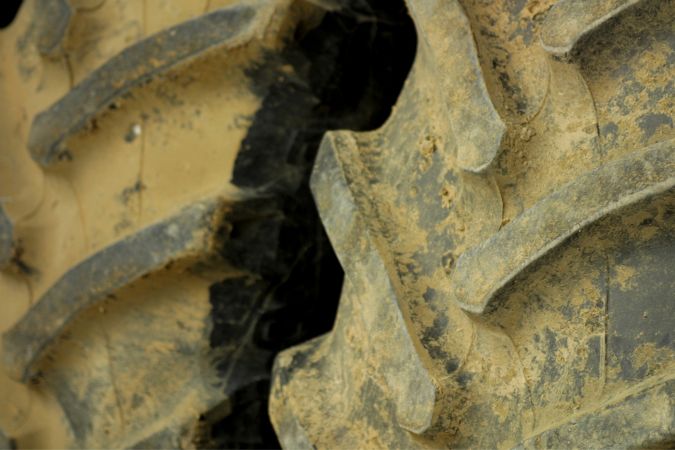
                A very dirty and muddy tractor tire

                Yes, pulling is a dirty business (quite literally). Still, after every pull competition, you absolutely need to clean your tires and undercarriage thoroughly. You don’t need that buildup to affect your traction and grip!

                And your trusty hose won’t do a good enough job, with all the mud and grime that got caked onto the tires and, frankly, all over and inside the tractor. In all likelihood, you’ll need to resort to pressure washing. And not just the kind you use to blast off your driveway.

                But how heavy-duty does your pressure cleaner need to be? Whatever the weather on the day of the pull, one thing is certain: dirt will be EVERYWHERE. And it will be stubborn enough to refuse to wash down just like that.

                Since I myself have never had to deal with a tractor post-pull, I put together a list of questions and reached out to a cleaning expert, Phoebe Baines from a Melbourne pressure washing company. “Your best bet here is a wide-mouthed snow foam cannon to loosen up these layers upon layers of mud. Coat the tractor with the foam fully. Next up comes a dual-gun pressure washer with at least 2,000 psi,” she told me over email.

                Having worked with agricultural machinery before, Baines warns that it’s important not to let the foam sit for too long and dry out. “Tractors are big (no need to tell you that!), and it will take a while to cover the whole machine in foam. So make sure to rinse it in the same order so as not to let any parts get dry before you get to them.” Even better, get a pair of helping hands so the process is faster, she recommends.

                5 Top Tractor Pulling Events in the World (Don’t Miss!)

                Dirt in your hair, engine roar in your ears, powerful machines made even more powerful with someone’s bare hands, sleds getting (and failing to get) hauled… What’s there not to love?

                And yet, it’s incredible how little general attention tractor & truck pulling is getting. It fully deserves to be recognized as much more than casual sport at a local county fair.

                That’s why we decided to round up several of the most important events around the world. May this blog post grow infinitely in the years to come!

                5 of the World’s Best Tractor & Truck Pulling Events

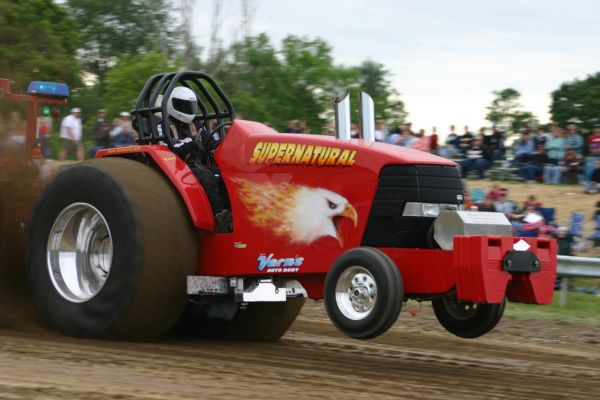
                Supernatural pulling tractor
                Hayes Pulling, public domain, via Wikimedia Commons

                1. National Tractor Pulling Championship (Bowling Green, Ohio)

                The Bowling Green Pull may be called national, but it’s so much more than that. Although there are no official stats, tens of thousands of enthusiasts consider it (and make it) the world’s largest championship!

                The 3-day event takes place mid-August every year since 1962, and includes both tractors and trucks. As well as every weight class we’ve heard of, and then some!

                There are two- and four-wheel drive trucks, mini rods, super farm, open and diesel super stock, pro stock, modified, unlimited modified, and super semis. You’ll see anything from modified mini rigs to beasts of 20,000 lbs. Get ready for a whole lot of smoke!

                Best of all, if you’re a camper, this is a great chance to bring the two passions together as there’s a huge Pulltown campground where you can stay instead of airbnb-ing a place.

                2. Championship Tractor Pull (Louisville, Kentucky)

                Who says these things only take place in summer?

                If you’re in or near Kentucky, you can enjoy one of the best ones every year in February.

                The Louisville Pull is actually part of the National Farm Machinery Show.

                But high-octane fun isn’t the only reason why we love this project (and you should, too).

                There’s also the fact that they are working very hard to popularize the sport, making their competitions accessible online, for free, from anywhere in the world! So if you’re not sure that tractor pulls are your thing, head over here to have a taste before you go.

                3. Outlaw Truck & Tractor Pull Association (50+ Towns)

                Our last US entry isn’t a single entry. Organized by one of the world’s biggest pullers associations, it takes place across the Midwest, covering 50-something towns in Nevada, Nebraska, Iowa, Missouri, Kansas, South Dakota, plus Texas.

                That, as well as the sheer quality and diversity of what’s on offer, accounts for more than half a million visitors that they manage to rake up year after year!

                They even have an app that allows you to keep track of the events and results. Honestly, I didn’t expect an app!

                4. Made’s Powerweekend (Made, Netherlands)

                Power pulling is a quintessentially American motorsport, but that doesn’t mean it’s not loved around the world.

                Made’s Powerweekend proves it! We couldn’t find any figures, but it isn’t considered Europe’s largest tractor pull for no reason. By the looks of it, it’s amazingly organized and even looks somewhat fancy. But even if you’re a fan of folksier pull races, you can’t help admiring such efforts! The line-up includes old-timers, which have to be older than 30 years to be eligible.

                The event has been around since 1993, and happens every June. It’s followed by many concerts and even DJs (which, to be honest, aren’t my kind of fun).

                They also livestream the event. But, unlike Louisville Pull from above, you have to pay a fee to access it.

                5. Honorable Mention

                This was originally intended to be a round-up of the world’s biggest and most important tractor & truck pulling events. But then, while doing our research, we realized one thing. There are hundreds of smaller, yet extremely important events that deserve a mention because they are trailblazers in their communities and, with some support, could easily develop.

                One of these local jewels is Back to the Bush Festival, held annually in Miles, near Toowoomba and Brisbane (Queensland, Australia). To be exact, tractor pulling is just one aspect of the festival, but it’s probably the most attractive.

                We thank George Pennisi, an arborist from Brisbane (yes, you read that right!) and a self-professed power pulling fan, for drawing our attention to this festival. George had never even heard of this motorsport before attending the event. “It was a thrill to see these machines in action! This from a guy who didn’t know a thing about tractors until two years ago, when I first saw the beasts. What blew me away is that it’s almost like Formula 1, requiring a knack for engineering along with incredible driving skills,” he told us in an email.

                Last year, he was especially impressed with older, agricultural pieces of machinery that were carefully repurposed for pulling.