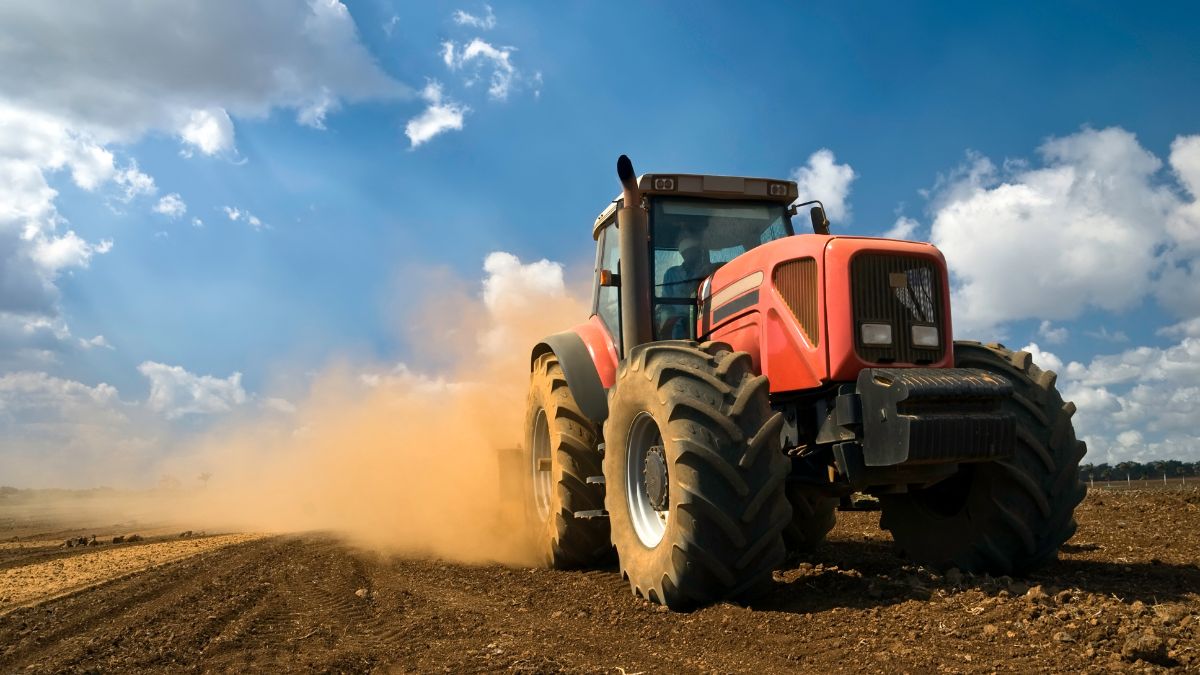
So you’re looking to give your everyday workhorse a little extra grunt for a weekend competition. Can you pull it off, literally?
The answer is, you certainly can. And it doesn’t have to cost a fortune either if you’re determined enough.
But that doesn’t mean it isn’t a headache. First, you need to decide whether it makes sense to do it at all.
Modify or Not? Factors to Consider
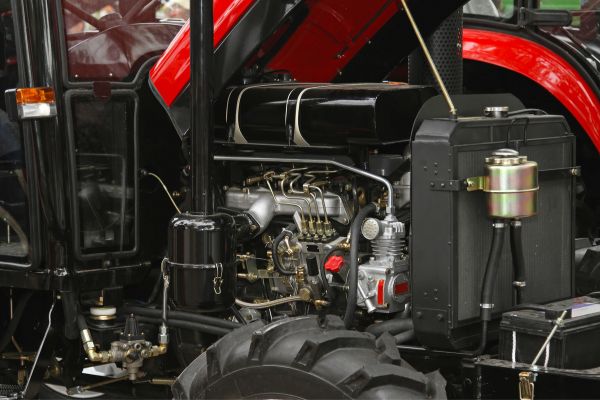
Keep in mind that the process won’t be easily reversible. Once you upgrade your engine or adjust the hitch, your machine may not be suitable for everyday farming tasks it used to do.
Other issues could be looming too. A tractor that’s too old or worn out may just not be able to resist mechanical failure if pushed beyond its limit. Or, if it’s new, the modifications could easily void your warranty.
All in all, if you’re bent on upping your machine so it can pull, make sure you have a backup plan so you don’t get behind on your farm work.
In case you do have some money on the side for entertainment, you can get a completely different tractor to begin with.
Step-By-Step Guide to Modifying Your Tractor for Pulling
1. Not Great, Not Terrible. Just Good Enough
You don’t need a fancy, high-powered rig to start. Plenty of pullers start off with a good old agricultural tractor and make a few basic tweaks to get it competition-ready. The key is starting with a tractor that’s in solid working condition.
While a few tweaks won’t really make a beast out of an ordinary tractor, rest assured you won’t be the only one! Tracks are full of crazy creative works you’d never expect to lay your eyes on, let alone watch them pull the way they do.
You’re going to be putting more strain on your machine than it’s used to on the farm, so you’ll want a sturdy frame, a reliable engine, and tires that aren’t on their last legs. A good starting point might be something like an older John Deere, Allis-Chalmers or even a vintage Cockshutt 30 such as this one or an International Harvester—tractors that are built tough and easy to work on.
So yes, if you have a little tractor rusting away in a barn, go ahead and dust it off. As long as it’s healthy on the inside, it might just do the job.
2. Get the Tires Right
In tractor pulling, traction is king.
So the first thing you’ll want to think about is swapping out your farming tires for something that can really dig in on the track. Your stock tires are great for plowing fields. But for pulling, you’re going to need tires that provide better grip on dirt or clay tracks.
That means you’re looking at $1,500 or up as a bare minimum for tires alone.
Opt for tires with deep, aggressive treads that are designed for high-torque applications. You’ll also need to experiment with tire pressure. Less pressure means more surface area touching the ground, which can give you that extra grip you need when the sled’s weight kicks in.
There’s one thing you shouldn’t do as a rookie: cut the tire tread on your own. As badass as it looks, it’s a serious job for seasoned pullers who know their tracks inside out.
3. Balance the Weight
Now, this is where the magic happens. To get the most out of your tractor during a pull, you’ll need to think about weight distribution. Too much weight on the front, and you’re losing traction on the rear tires where it counts. Too little, and you’ll be popping wheelies halfway down the track.
Start by adding some weights to the back of the tractor to get that rear end digging into the dirt. You might also need to shift some weight up front to keep the nose down. It’s all about balance—getting that tractor to pull straight and true without lifting off the ground.
4. Upgrade the Engine (But Keep It Legal)
If you want to turn heads on the track, you’ll probably want to give that engine a bit more oomph. Now, you don’t need to go all out and slap a turbo on your farm tractor (unless you’re moving into higher classes), but there are a few tweaks you can make to boost your horsepower.
You could consider tweaking the fuel injection system to boost performance or maybe switch out your exhaust to get better airflow. Just be aware that most beginner classes have pretty tight rules when it comes to engine modifications, so don’t go overboard. The goal is to squeeze out a bit more power while staying within the regulations.
5. Modify the Hitch

In tractor pulling, the hitch is your tractor’s connection to the sled, and the height of that hitch makes a world of difference. A higher hitch can give you better leverage, but go too high and you’ll lose control. Most competitions have regulations on how high your hitch can be, so make sure you’re within the limits.
Adjust your hitch to the maximum allowable height, which is usually around 20 inches, to get the best leverage possible. The right hitch setup can make or break your pull.
6. Don’t Forget the Safety Gear
Safety’s a big deal! You’re dealing with powerful machinery, and things can go sideways if you’re not careful. Make sure your tractor’s fitted with a roll cage and fire extinguisher, especially if you’ve done any engine modifications.
Safety gear isn’t just about following the rules. It’s about making sure you can walk away fast enough if something goes wrong.
Bottom Line
In pulling, there’s one thing more important than the machine: your confidence in it.
That’s exactly why it’s best to start real small and build from there. As you get a feel for the sport, you can gradually add more advanced modifications.
