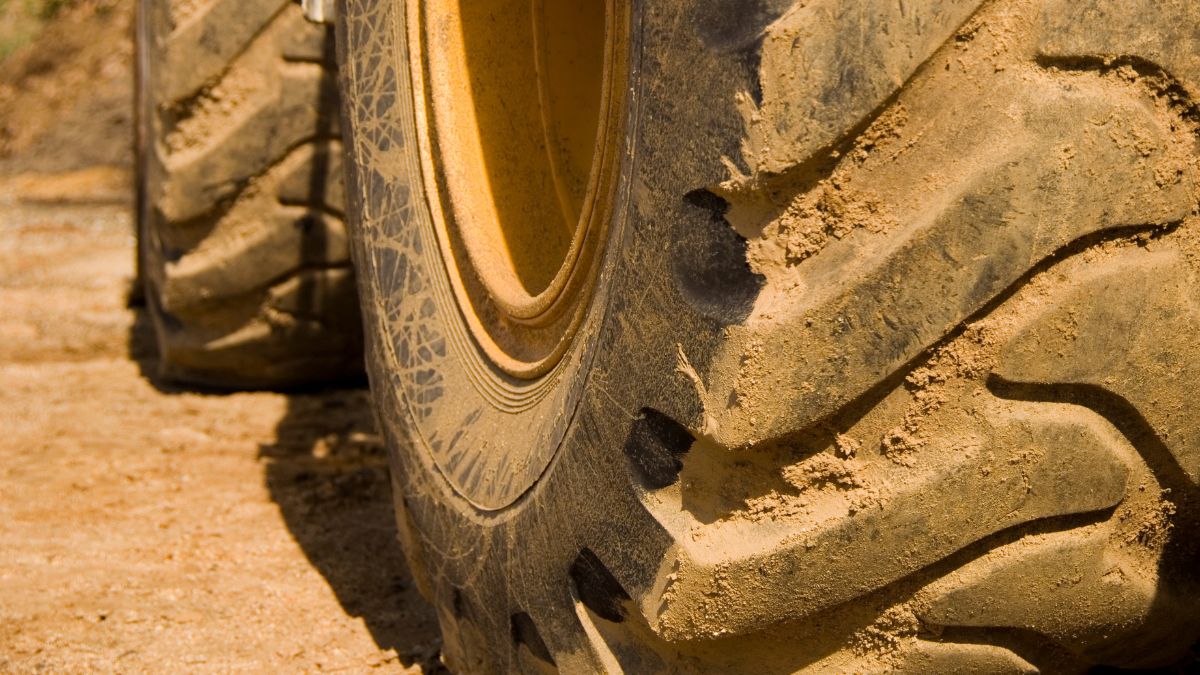
Tractors are powerful alright. But there’s one point (actually 4 points!) where the power meets the track: it’s the tires.
In other words, how your tires perform can make all the difference between winning and losing. It’s similar to the body of an athlete: even if you have the strongest heart and stamina, it’s not much use if your legs don’t serve you right.
So let’s take an in-depth look at how tractor tires can make or break your pull, and what to do to make sure they’re at their best on track.
Best Types of Tires for Tractor Pulling

Of course, your choice of tires will largely depend on the class in which you’re competing.
But let’s be realistic and admit one thing: it also depends on your budget. Not all of us can shell out the likes of $50,000 for a set of heavy-duty pro pullers with a high ply rating.
For minimal modifications, you can choose standard agricultural tires that are designed for general farm work. These offer decent traction on a variety of surfaces. The downside, you guessed it, is that they may not provide the specialized grip needed for more competitive pulls. But this shortcoming is reflected in the price too, meaning that a set can cost as little as several hundred dollars.
To step things up, you can go for modified and pro stock tires that will allow higher performance. These tires are often wider, with aggressive tread patterns designed to bite into the track and maximize traction. Here, you’re looking at upwards of $10,000 per quality tire.
Mini rod tires, used in smaller pulling classes, are lightweight but built for high-speed and high-power pulls. They are priced in between agricultural and pro stock models.
Whatever you opt for, you should always keep in mind that choosing just the right type of tire is critical. A wrong tire can cause your tractor to lose traction, spin out, or even get stuck on the track. It’s all about matching the tire’s capabilities with your tractor’s power and the specific conditions of the pull.
What to Look for When Choosing Tractor Tires for Pulling
- Tire size and width: It’s not just about getting to look impressive. It’s about the fact that the bigger and wider the tires, the greater their surface area that’s in touch with the track. Wider tires can distribute the tractor’s weight more evenly, reducing the risk of sinking into softer tracks, while larger tires can help maintain speed and momentum. Don’t forget that size and width also have to do with traction, and better traction allows you to pull heavier sleds!
- Tread pattern: In this respect, there’s no such thing as a universally good or bad pattern. Not every pattern is jack of all trades! Tires with deeper, more aggressive treads are better suited for tracks with loose or soft surfaces, as they can dig in and provide more grip. Conversely, on harder tracks, a shallower tread might be more effective as it reduces rolling resistance. If you’re feeling adventurous, you can even get completely slick tires like the new Mitas and carve a tread that suits you!
- Tire pressure: This one’s all about maintaining traction. Over-inflated tires can reduce the contact area with the track, leading to a loss of grip, while under-inflated tires might cause the tractor to bog down. Finding the right balance isn’t always easy, but it’s key to optimizing performance!
- Materials: The rubber compound of the tire can also affect its grip and durability. Softer compounds offer better traction but may wear out faster, especially on abrasive surfaces. Harder compounds, on the other hand, will typically last longer but might not provide the same level of grip.
How Track Conditions Impact Tire Selection
Whether the above video sounds like a nightmare or total fun, weather isn’t something to shrug off.
(Looks fun to me, btw.)
Like I said above in the “What to Look for…” section, on soft, muddy tracks, tires with deep, aggressive treads will do the best job as they can dig into the soil and maintain forward momentum. On dry, hard-packed tracks, a less aggressive tread might be preferable to reduce rolling resistance and maintain speed.
But here’s why you should always have two different sets at hand.
Rain can turn a dry track into a muddy mess, requiring quick adjustments to your tire setup.
How to Maintain Tractor Tires (Pre- and Post-Pull): Common Mistakes
Over-Inflating
One common mistake in tractor pulling is over-inflating tires. While it might seem like more pressure would improve traction, it often reduces the tire’s contact area with the track, leading to less grip. Similarly, neglecting track conditions and failing to adjust your tires accordingly can result in poor performance.
Not Storing Properly
When not in use, tires should be stored in a cool, dry place to prevent the rubber from degrading. Avoiding direct sunlight and extreme temperatures can extend the life of your tires. Rotating your tires regularly also ensures even wear, which is critical for maintaining balance and performance.
Not Washing (Properly)
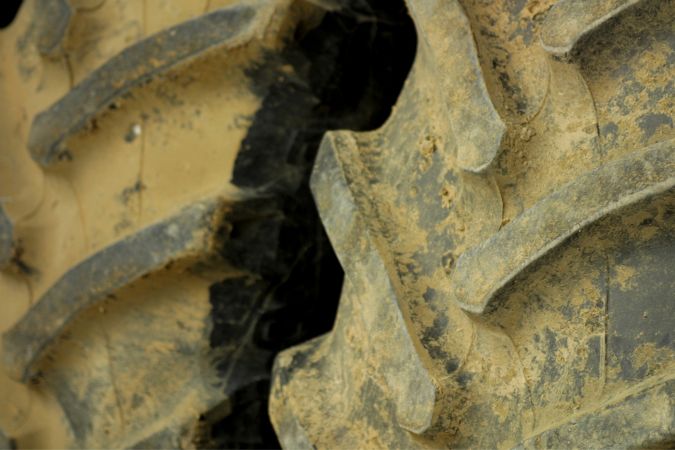
Yes, pulling is a dirty business (quite literally). Still, after every pull competition, you absolutely need to clean your tires and undercarriage thoroughly. You don’t need that buildup to affect your traction and grip!
And your trusty hose won’t do a good enough job, with all the mud and grime that got caked onto the tires and, frankly, all over and inside the tractor. In all likelihood, you’ll need to resort to pressure washing. And not just the kind you use to blast off your driveway.
But how heavy-duty does your pressure cleaner need to be? Whatever the weather on the day of the pull, one thing is certain: dirt will be EVERYWHERE. And it will be stubborn enough to refuse to wash down just like that.
Since I myself have never had to deal with a tractor post-pull, I put together a list of questions and reached out to a cleaning expert, Phoebe Baines from a Melbourne pressure washing company. “Your best bet here is a wide-mouthed snow foam cannon to loosen up these layers upon layers of mud. Coat the tractor with the foam fully. Next up comes a dual-gun pressure washer with at least 2,000 psi,” she told me over email.
Having worked with agricultural machinery before, Baines warns that it’s important not to let the foam sit for too long and dry out. “Tractors are big (no need to tell you that!), and it will take a while to cover the whole machine in foam. So make sure to rinse it in the same order so as not to let any parts get dry before you get to them.” Even better, get a pair of helping hands so the process is faster, she recommends.
